How Releasing Music Has Changed (And What Artists Need to Know in 2026)
A comprehensive, expert guide for indie artists and record labels on modern music releasing, covering today’s multi‑single strategy, streaming‑first release planning, digital distribution workflows, catalogue management, and essential metadata requirements including ISRC codes, remasters, UPC/EAN numbers, mastering updates, album rollouts, deluxe editions, re‑releases, and metadata best practices. Learn how to correctly assign ISRCs, generate UPCs, manage remastered versions, optimize streaming performance, avoid catalogue fragmentation, and build a professional release strategy for singles, EPs, albums, and physical formats. Ideal for independent musicians, DIY artists, producers, and record labels seeking clear, authoritative guidance on music metadata, digital distribution, streaming optimization, and modern release strategy.
Andy De Rosa (Founding Member/Senior Mastering Engineer)
7/6/20265 min read


Releasing music today is a completely different game than it was even five years ago - and indie artists, labels, and managers need a crystal‑clear understanding of how the release process has evolved, especially around things like ISRC codes, remasters, and UPC/EAN numbers.
The last decade flipped the music‑release model on its head. The old “album first, singles later” approach has quietly retired, replaced by a far more flexible, streaming‑driven strategy: multiple singles first, album later - if at all.
This shift isn’t just about marketing. It affects metadata, ISRCs, remasters, UPC/EANs, and how your catalogue is tracked for life. So let’s break it down clearly, without the usual industry jargon.
From Albums → Singles → “Maybe an Album Eventually”
Ten years ago (or longer), artists built toward an album. Today, artists build toward momentum. Streaming platforms reward consistency, not long gaps between releases. That’s why you see:
Artists dropping 5–8 singles before an album ever appears
EPs being expanded into albums months later
“Deluxe editions” arriving with extra tracks to revive engagement
Singles being re‑released as “album versions” or “remastered versions”
This flexible release strategy is great, but only if your metadata is clean and your identifiers are correct.
ISRC Codes: The Backbone of Your Release Strategy
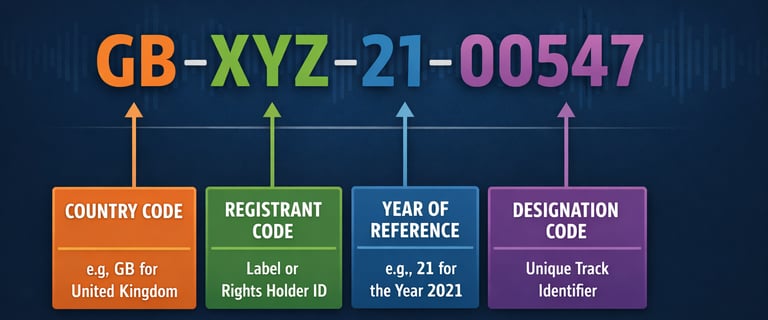
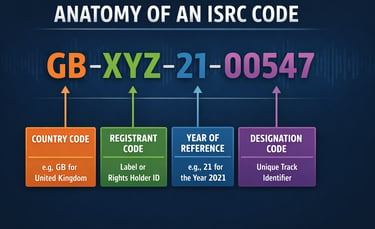
ISRCs (International Standard Recording Codes) are the unique IDs assigned to each recording. Think of them as the fingerprint of the audio itself.
Here’s what artists and labels often misunderstand:
1. A new recording = a new ISRC
If you change the audio in any meaningful way — remaster, remix, re‑record, radio edit — you need a new ISRC. This ensures royalties don’t get muddled and reporting stays accurate.
2. The same recording used in multiple releases keeps the same ISRC
If your single later appears on an album unchanged, it keeps its original ISRC. This is good: it consolidates streams and avoids splitting your royalties.
3. Distributors can generate ISRCs for you
If you don’t have your own ISRC registrar, services like DistroKid, CD Baby, and others will assign them automatically.
4. You should keep a master list of your ISRCs
This is your catalogue. Yes I know: it sounds like "admin" work, but this is what sets a professional artist/label apart from the amateurs. Your future self will thank you.
Bonus Tip: I have written a previous blog all about ISRCs. You can view it here.
Remasters: When They Need New ISRCs (And When They Don’t)
Remastering is more common than ever, especially when artists re‑release older singles as part of a new album campaign.
Here’s the rule:
If the audio changes, the ISRC changes.
Even subtle mastering differences count. A remaster is technically a new recording.
If the audio is identical, the ISRC stays the same.
This applies when you simply repackage the track (e.g., adding it to an album).
If the track is genuinely identical - same processing, same length, same audio - and the only difference is overall loudness, then this is a special case where you do not need to assign a new ISRC.
Radio edits, clean versions, extended versions = new ISRCs
They are considered different recordings.
Metadata-only changes do NOT require a new ISRC
Updating artwork, credits, or lyrics doesn’t affect the recording itself.
UPC/EAN Numbers: The Product-Level Identifier
If ISRCs identify recordings, UPC/EANs identify products — meaning the release itself.
Every release needs its own UPC/EAN:
A single
An EP
An album
A deluxe edition
A vinyl pressing
A remastered version of an album
A live version release
A compilation
Example: If you release five singles before your album, that’s six UPCs (five singles + one album).
Why UPCs matter:
They track sales and streams at the release level
They ensure your album is recognized as a distinct product
They prevent catalogue confusion when you repackage tracks later
How Singles Roll Into Albums (Without Breaking Your Metadata)
This is where artists often get confused and where labels sometimes make mistakes.
Scenario 1: You release a single → later add it to an album unchanged
ISRC stays the same
Album gets a new UPC
Single keeps its own UPC
Streams consolidate beautifully
Scenario 2: You remaster the single for the album
New ISRC
Album gets a new UPC
The remastered version becomes the “album version”
The original single remains in your catalogue
Scenario 3: You release a “deluxe edition”
Deluxe edition gets a new UPC
Any new tracks get new ISRCs
Existing tracks keep their ISRCs unless remastered
Scenario 4: You release a compilation
Compilation gets a new UPC
Tracks keep their original ISRCs unless altered
Vinyl, CDs, and Physical Formats: What Changes?
Physical formats still use:
ISRCs (embedded in DDP for CDs)
UPC/EANs (printed on packaging)
Catalogue numbers (assigned by the label or manufacturer)
For vinyl specifically:
You don’t embed ISRCs in the grooves (obviously...)
But you do need them for digital reporting
And you do need a UPC/EAN for the product
Expanded explanation:
When you manufacture vinyl or CDs, the physical format itself doesn’t carry ISRCs in the same way digital platforms do, but you still need ISRCs for digital reporting, because they’re the universal identifiers used across streaming services, download stores, radio reporting systems, neighboring‑rights organizations, and royalty collection agencies.
In other words: Even though vinyl doesn’t embed ISRCs in the grooves, the recording still needs an ISRC so that all digital platforms, PROs, and reporting systems can correctly track plays, sales, streams, and broadcast usage. Without ISRCs, your digital data becomes fragmented, misreported, or in some cases, completely untracked.
ISRCs ensure that:
Streaming platforms know which recording they’re paying royalties for
Radio stations can report airplay accurately
Digital distributors can track your catalogue consistently
PROs and neighboring‑rights organizations can match usage to the correct recording
Your single and album versions don’t get mixed up
Remasters and alternate versions are properly separated
Your catalogue remains clean and professional long‑term
So even if your release is primarily physical, the digital ecosystem still relies on those identifiers, which is why you must assign ISRCs to every recording, regardless of whether it’s going onto vinyl, CD, or cassette.
Why This Matters More Than Ever
Streaming platforms, PROs, and distributors rely heavily on clean metadata. Bad metadata = lost royalties, split streams, incorrect reporting, and messy catalogue history.
Good metadata =
Clean artist profile
Consolidated streams
Accurate royalty tracking
Professional presentation
Easy future re-releases
This is the stuff that separates hobbyists from professionals and it’s surprisingly easy once you understand the rules.
Final Takeaway
Releasing music today is more flexible, more creative, and more artist-friendly than ever. But with that freedom comes responsibility: your metadata must be airtight.
If you get your ISRCs, remasters, and UPC/EANs right from the start, you can release singles, albums, deluxe editions, remasters, and vinyl without ever breaking your catalogue.
And your future self - and your future label - will thank you.
If all this jargon has left you uneasy, reach out to us. Let Mastering Alliance™ professional mastering engineers work on your music project. We're here to shelter you from the technicalities and to make your music sound awesome. Get in touch at contact@masteringalliance.com!


Contact Us
Email:
© 2026 Mastering Alliance™